Decoding User Behavior Shifts Triggered by Interface Changes in Combined Betting and Gaming Apps
Written by Vera Bennett · Sep 13, 2026
Decoding User Behavior Shifts Triggered by Interface Changes in Combined Betting and Gaming Apps
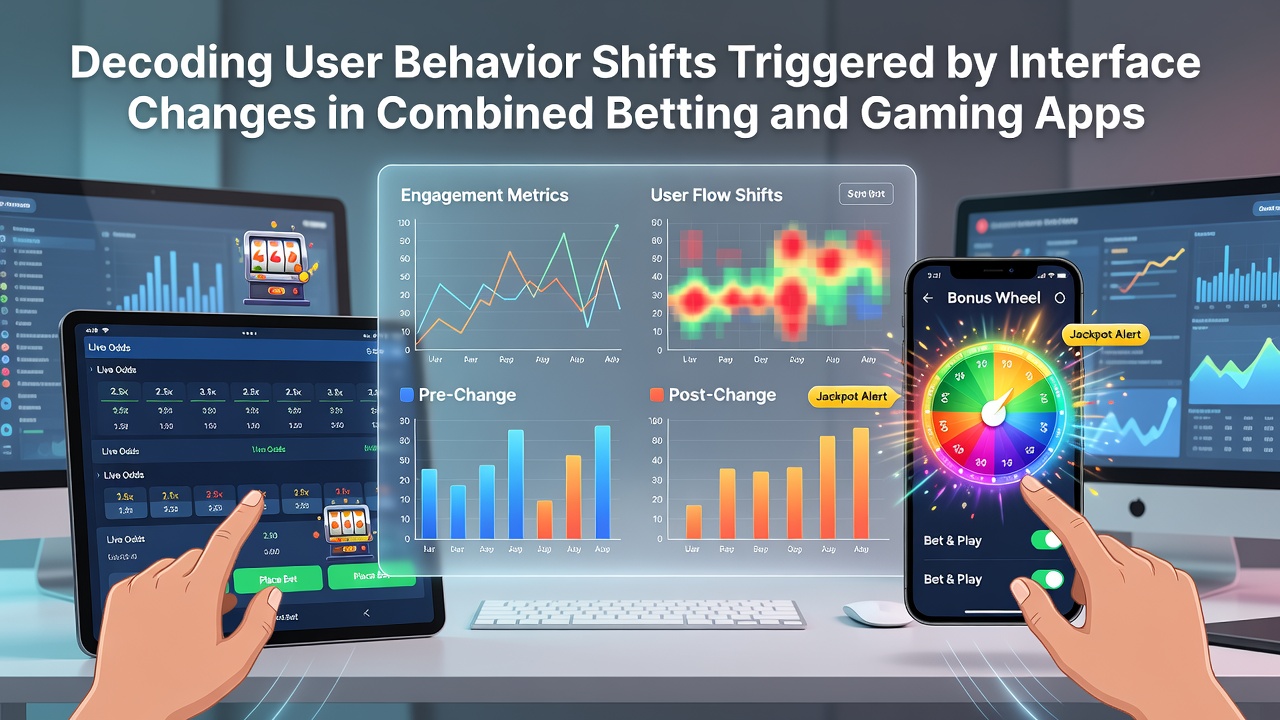
Combined betting and gaming apps continue to evolve their interfaces at a steady pace, and researchers track corresponding adjustments in how users navigate, place wagers, and interact with features. In September 2026, platform analytics from multiple operators revealed measurable differences in session duration and feature usage after navigation menus received streamlined layouts and in-app switching between sportsbooks and casino sections became more direct.
Interface Modifications and Their Observable Effects
Design teams often consolidate tabs and reduce the number of clicks required to move between live odds displays and slot or table game lobbies, while data collected before and after these updates shows shifts in the order of user actions. One study from a North American research consortium found that users completed deposit sequences 18 percent faster following the introduction of persistent quick-access buttons, and engagement with secondary features such as loyalty point trackers rose when those elements moved to the main dashboard.
Color contrast adjustments and the addition of swipe gestures also produce measurable changes. Observers note that users spend longer reviewing in-play betting markets when those markets appear in a dedicated horizontal scroll rather than a vertical list, adn click-through rates on promotional banners increase when the banners occupy a fixed position at the bottom of the screen instead of rotating through the header.
Tracking Metrics Across User Segments
Behavioral data separates naturally into cohorts based on primary activity. Sports-focused users tend to respond to changes in live score integration and bet slip persistence, whereas casino-oriented users show different patterns when reel game thumbnails resize or when bonus round triggers receive clearer visual cues. A report issued by the Australian Gambling Research Centre documented that casino-primary users extended average session length by 12 minutes after interface elements for bonus collection moved from a pop-up to an always-visible progress bar.
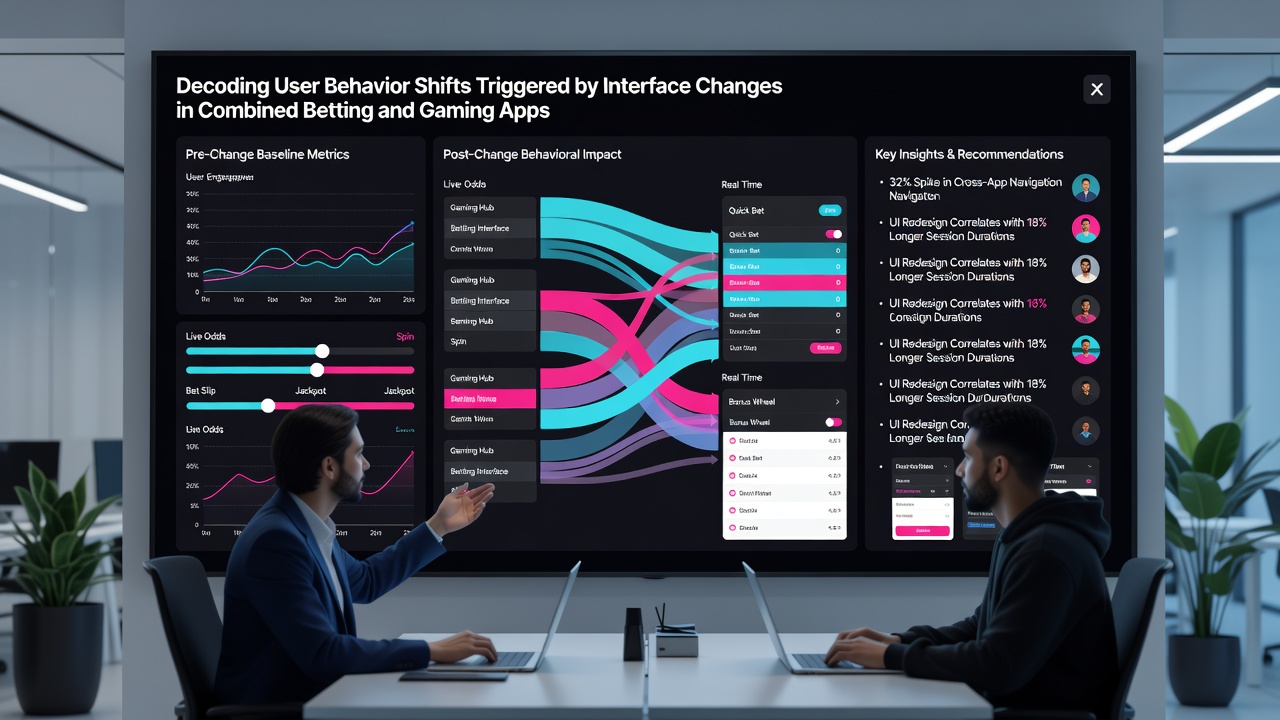
Those who engage with both verticals within the same session demonstrate hybrid patterns. When the interface introduces a unified wallet view that displays both cash and bonus balances without requiring a separate tab, cross-vertical movement increases, and the frequency of alternating between a sports market and a table game rises measurably within the same hour.
Regional Data and Regulatory Context
Regulatory filings from the New Jersey Division of Gaming Enforcement through mid-2026 include aggregated user flow statistics that align with interface update timelines. These records indicate that simplified deposit flows correlate with higher completion rates for first-time users, while experienced users redirect saved time toward additional bets or game rounds. Canadian provincial operators have reported similar trends in quarterly summaries, noting that gesture-based navigation updates coincided with increased mobile retention figures during evening peak hours.
Academic papers from European institutions have examined eye-tracking data alongside tap heatmaps, revealing that users scan fewer screen regions after redundant menu items disappear. One analysis linked the removal of duplicate loyalty prompts to a redistribution of attention toward game selection screens rather than account management sections.
Longer-Term Retention Patterns
Retention curves shift when interface changes affect perceived speed and clarity. Platforms that introduced collapsible bet slip panels observed that users returned on more consecutive days, particularly when the panels remembered prior selections across both sports and casino sections. Data from industry trade groups shows that users who complete at least one cross-vertical session within the first week after an update demonstrate higher 30-day retention than those whose first sessions occur before the change.
Seasonal factors interact with these interface effects. During major sporting events in September 2026, operators recorded elevated traffic through sports-to-casino pathways when the interface placed quick-switch icons near live score widgets, and the same pathways saw lower usage when those icons remained in a secondary menu.
Conclusion
Interface changes in combined betting and gaming apps generate traceable adjustments in navigation order, feature priority, and session composition. Aggregated data from regulatory bodies, research centers, and platform analytics continue to map these relationships, providing operators with concrete indicators of how layout decisions influence user movement across betting markets and gaming content. Continued monitoring through the remainder of 2026 will further clarify which modifications produce sustained versus temporary behavioral responses.