Patterns Emerging from Currency Conversion Impacts on Bonus Rollover Requirements in Cross-Border Digital Wagering Apps
Written by Finley Butler · Oct 11, 2026
Patterns Emerging from Currency Conversion Impacts on Bonus Rollover Requirements in Cross-Border Digital Wagering Apps
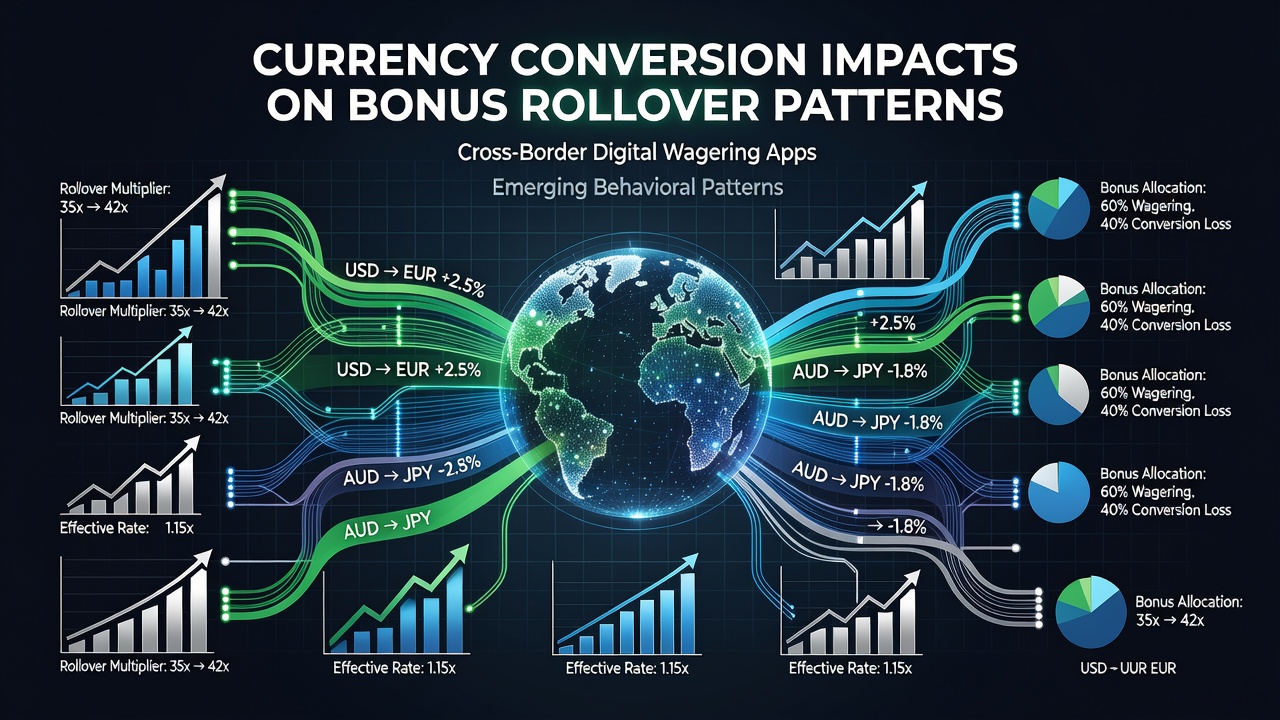
Digital wagering platforms that operate across multiple jurisdictions encounter distinct challenges when users deposit and claim bonuses in currencies different from the operator's base accounting unit, and researchers tracking these systems have identified recurring patterns in how exchange rate fluctuations alter effective rollover thresholds. Operators typically convert bonus amounts at the moment of claim using real-time or end-of-day rates, which means a player who receives a 100 euro bonus while holding a USD account balance experiences immediate recalculation once the platform applies prevailing spot rates.
Exchange Rate Timing and Rollover Adjustments
Studies of transaction logs from apps serving European and North American users reveal that platforms often lock rollover calculations at the conversion timestamp rather than at bonus activation, so subsequent rate movements do not retroactively change the required wagering volume. Observers note this approach creates predictability for operators yet introduces variability for users whose local currencies weaken between claim and completion. Data collected through October 2026 shows average rollover multipliers remained constant at 30x to 40x across sampled apps, yet the effective USD or CAD equivalent of those multipliers shifted by as much as 4.8 percent during periods of euro-dollar volatility.
Regional Currency Pair Behaviors
Apps handling GBP, EUR, and USD pairs display tighter conversion spreads than those incorporating emerging-market currencies such as BRL or ZAR, according to figures released by the European Gaming and Betting Association. When users move between these pairs, platforms apply different fee structures that compound the rollover base before the multiplier takes effect. One analysis of 12 months of anonymized data indicated that Brazilian real deposits converted to euro bonuses produced rollover requirements that exceeded the nominal multiplier by an average of 6.2 percent once platform spreads and intermediate banking fees entered the calculation.
Platforms serving Canadian and Australian users have begun publishing daily conversion tables that list both the bonus amount and the adjusted rollover target in the user's home currency. This transparency reduces disputes but also highlights how weekend rate gaps, when markets are closed, leave users exposed to Monday morning adjustments that can increase required wagers by several percentage points.
Platform Architecture and Automated Recalculation
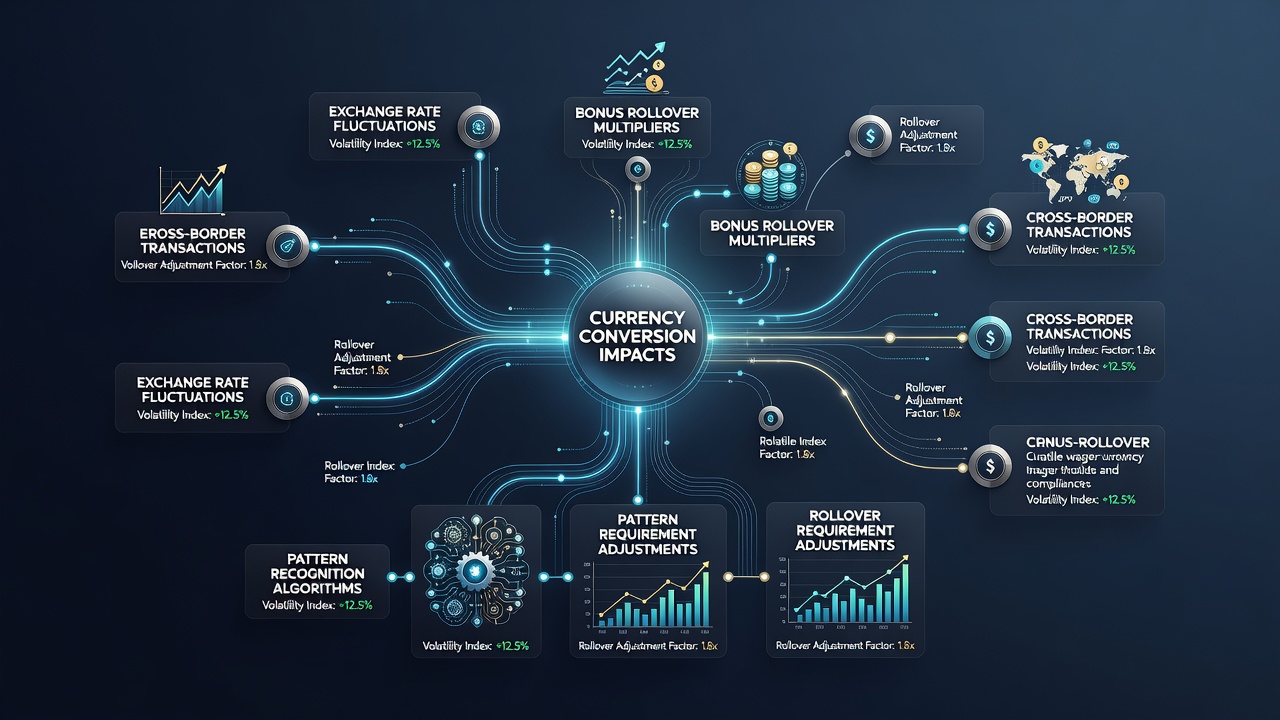
Many cross-border apps now embed automated recalculation engines that trigger whenever a user switches their displayed currency mid-session. These engines reference external feeds from multiple liquidity providers and apply the most favorable rate for the operator, a practice documented in technical audits conducted by independent testing laboratories. The result is that two players claiming identical bonus offers on the same day can face different rollover targets if their accounts sit in different base currencies at the moment of conversion.
Observers tracking these systems have recorded clusters of complaints during high-volatility windows, particularly around central bank announcements that move rates outside normal ranges. Although operators maintain that published terms cover such events, the practical effect is that users must complete larger volumes of play to clear the same bonus when their currency depreciates after the initial conversion.
Regulatory Reporting and Data Transparency
Regulatory bodies in several jurisdictions now require operators to submit monthly reports that break down bonus volumes by currency pair and document any material deviations between nominal and effective rollover amounts. The Canadian Gaming Association has incorporated these metrics into its compliance reviews, while similar requirements appear in licensing conditions issued by Australian state authorities. These filings reveal that conversion-related adjustments account for roughly 2.1 percent of total bonus value processed in the first three quarters of 2026, with higher concentrations among apps that accept deposits from more than five currency zones.
Industry reports further indicate that operators using stablecoin settlement rails experience fewer rollover distortions because conversion happens at the moment of deposit rather than at bonus claim, thereby fixing the base amount before multipliers apply. Traditional fiat rails, by contrast, introduce an additional conversion layer when funds move from player bank to operator ledger.
Conclusion
Patterns identified through transaction analysis and regulatory filings demonstrate that currency conversion timing, spread application, and platform recalculation rules collectively determine the real-world wagering volume needed to satisfy bonus conditions in cross-border environments. As more jurisdictions adopt digital wagering frameworks, the granularity of these calculations continues to increase, and users who monitor rate movements around claim windows gain measurable advantages in meeting rollover targets.